


Chiang Mai Food Tour
Exploring the flavours of food in Chiang Mai
Local food in Chiang Mai, Thailand, offers a delightful array of flavors and dishes that reflect the region's rich culinary heritage. Here are some iconic dishes and street foods you might encounter. When exploring local food in Chiang Mai, don't hesitate to venture into the bustling street markets and food stalls, where you'll find an abundance of authentic flavors and culinary delights.


5 unique Thai food that you will not find anywhere else
The unique taste of Thai food is a harmonious blend of sweet, sour, salty, bitter, and spicy flavors, creating a culinary experience that is both vibrant and complex. Here's a breakdown of these flavor elements and how they contribute to the distinctive taste of Thai cuisine
1. Sweetness: Thai dishes often incorporate sweetness from ingredients like palm sugar, coconut milk, and fresh fruits such as mangoes and pineapples. Sweetness helps balance out the spiciness and acidity in many Thai dishes, adding depth and complexity to the flavor profile.
2. Sourness: Sourness is a key component in many Thai dishes, achieved through ingredients like lime juice, tamarind paste, and vinegar. Sour flavors brighten up dishes like Tom Yum soup and Som Tum salad, adding a refreshing tanginess that stimulates the palate.
3. Saltiness: Saltiness comes from ingredients such as fish sauce, soy sauce, and shrimp paste, which are commonly used in Thai cooking. Salt enhances the other flavors in a dish and helps to balance out sweetness and acidity.
4. Bitterness: Bitterness is less prominent in Thai cuisine compared to other flavor profiles, but it can be found in certain ingredients like bitter melon, Thai eggplant, and some herbs. Bitterness adds complexity to dishes, especially in curries and stir-fries.
5. Spiciness: Spiciness is a hallmark of Thai cuisine, thanks to the liberal use of chili peppers in many dishes. Thai cuisine offers a wide range of heat levels, from mildly spicy to fiery hot, catering to different preferences. Chili peppers are used fresh, dried, or in paste form to add heat and intensity to dishes like curries, stir-fries, and soups.
The art of Thai cooking lies in achieving a delicate balance of these flavor elements, creating dishes that are bold, aromatic, and irresistibly delicious. This balance is not only achieved within individual dishes but also in the overall meal when different dishes are served together, complementing and enhancing each other's flavors.
Most popular Thai dishes
in Thailand

Thai Somtam
Somtam, also known as papaya salad, is a popular Thai dish that's both refreshing and flavorful. It's made primarily with shredded green papaya, tomatoes, green beans, peanuts, lime juice, fish sauce, and chilies. Sometimes additional ingredients like dried shrimp, garlic, palm sugar, and tamarind pulp are added to enhance the flavor.

Khanom Jeen Nam Ngiao
Khanom Jeen Nam Ngiao is a traditional dish from northern Thailand, particularly popular among the Lanna people. It's a flavorful and aromatic noodle soup made with khanom jeen noodles, which are thin rice noodles similar to vermicelli. The soup base is typically a rich and spicy broth made with pork or beef
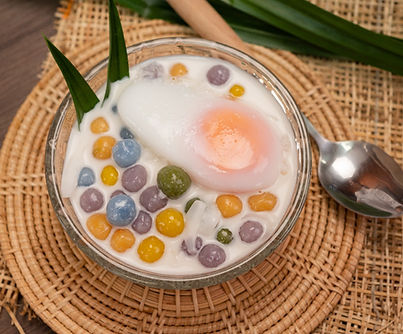
Bua Loi Kai Wan
"Bua Loi Kai Wan" is a traditional Thai dessert that translates to "sweet dumplings in sweet egg pandan sauce." It's a delightful and comforting sweet treat enjoyed by many in Thailand.
Bua Loi Kai Wan is often enjoyed as a dessert at the end of a meal or as a sweet snack throughout the day.

Roti
In Thailand roti is commonly served as a street food snack or as part of a meal. It is made from dough that typically consists of flour, water, and sometimes a bit of oil or ghee. The dough is rolled out thinly, then either grilled, fried, or cooked on a flat griddle, resulting in a soft and flaky bread.

Shrimp Pad Thai
Shrimp Pad Thai is a classic Thai dish known for its savory, sweet, and slightly tangy flavors. It's a stir-fried noodle dish that typically features rice noodles, shrimp, eggs, tofu, bean sprouts, garlic, shallots, and various seasonings and sauces.

Seafood Tom Yumsign
Creamy Seafood Tom Yum is a delicious variation of the classic Thai soup, Tom Yum, which is known for its spicy, sour, and aromatic flavors.
This version adds a creamy element to the soup, making it richer and more indulgent

Khao Soi
Khao Soi is a delicious and aromatic Thai noodle dish that is particularly popular in Northern Thailand, including Chiang Mai. It's a flavorful and comforting dish that combines influences from Burmese and northern Thai cuisine.

Hang Lay Curry
Hang Lay Curry, also spelled Hang Lay or Hang Lay Neua, is a distinctive and flavorful curry dish that originates from the Northern region of Thailand, particularly from the Burmese-influenced cuisine of the Shan people

Sai Ua
Sai Ua is a traditional Northern Thai sausage that is renowned for its bold flavors and aromatic spices. It's a popular street food and local delicacy in Northern Thailand, particularly in cities like Chiang Mai.

Nam phrik Num
Nam Prik Num is a versatile and flavorful chili dip that adds a punch of heat to any meal. It's a staple in Northern Thai cuisine and is beloved by locals and visitors alike for its bold flavors and spicy kick.